In this episode, we explore the meaning of the Free and Accepted which first occurs in the Roberts Print of 1722, a term applied in the symbolic allegories to the builders of Solomon’s Temple.
Mackey, in his Encyclopedia of Freemasonry, say:
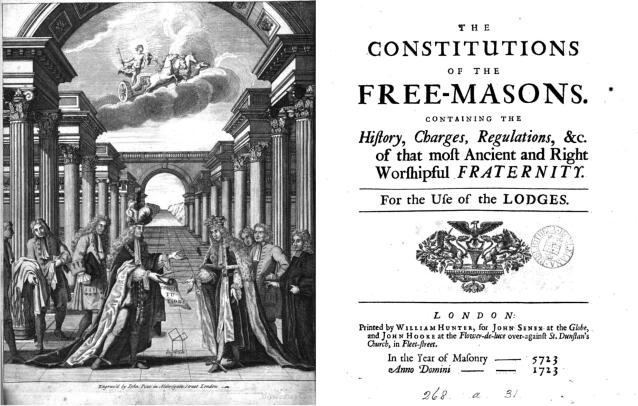
The title “Free and Accepted” first occurs in the Roberts Print of 1722, which is headed The Old Constitutions belonging to the Ancient and Honorable Society of Free and Accepted Masons, and was adopted by Dr. Anderson in the second edition of the Book of Constitutions, published in 1738, the title of which is The New Book of Constitutions of the Antient and Honorable Fraternity of Free and Accepted Masons. In the first edition of 1723 the title was, The Constitutions of the Freemasons. The newer title continued to be used by the Grand Lodge of England, in which it was followed by those of Scotland and Ireland; and a majority of the Grand Lodges in this country have adopted the same style, and call themselves Grand Lodges of Free and Accepted Masons. The old lectures formerly used in England give the following account of the origin of the term:
“The Masons who were selected to build the Temple of Solomon were declared FREE and were exempted, together with their descendants, from imposts, duties, and taxes. They had also the privilege to bear arms. At the destruction of the Temple by Nebuchadnezzar, the posterity of these Masons were carried into captivity with the ancient Jews. But the good-will of Cyrus gave them permission to erect a second Temple, having set them at liberty for that purpose. It is from this epoch that we bear the name of Free and Accepted Masons.”
More Masonic Symbols, here.